


Play is more than just a pastime for young children—it’s a fundamental aspect of their development. In preschools, incorporating play in an early childhood development curriculum is essential. It fosters growth, learning, and socialization in a fun and engaging way.
Through play, children develop critical thinking skills, problem-solving abilities, and creativity. At the same time they are also building confidence, resilience, and social skills.
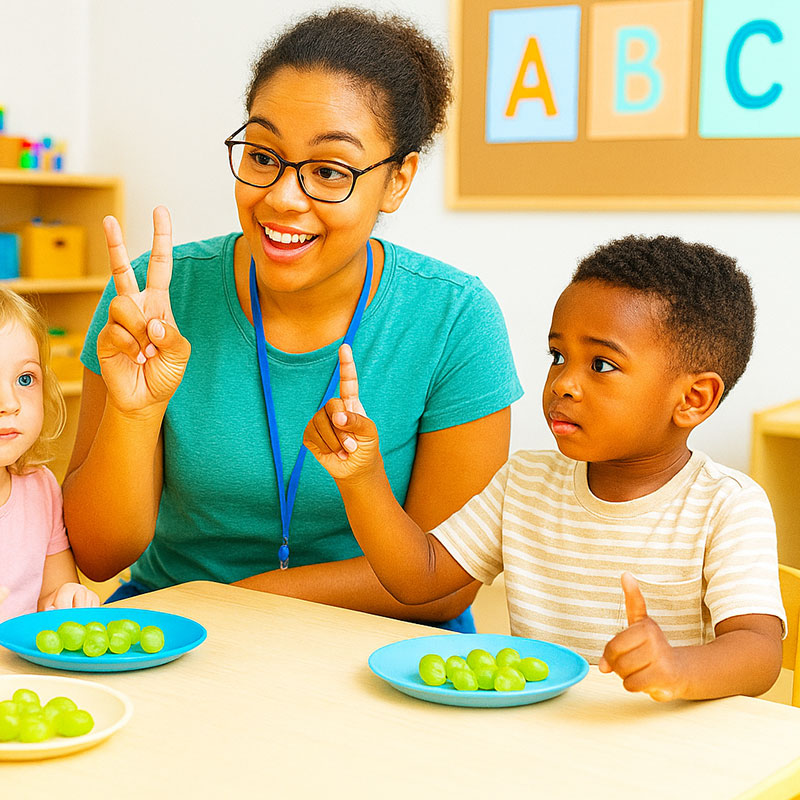
Play-based learning allows children to explore, experiment, and discover the world around them at their own pace. Whether it’s building with blocks, pretending in a dramatic play area, or engaging in sensory activities, play is essential. It provides valuable opportunities for cognitive, social, emotional, and physical development.
At Learning Zone, we strike a balance between structured and unstructured activities that cater to children’s interests and developmental needs. Our teachers encourage exploration and open-ended play. They provide children with materials and resources to engage in imaginative and creative activities. Our STEAM curriculum incorporates play-based elements into academic subjects as well. We invite you to take a tour to see just how we do all this!
At its core, play-based learning celebrates the joy of childhood and the innate curiosity and wonder that children bring to the world. Through play, children develop a lifelong love of learning and a foundation for future academic success, setting them on the path to becoming confident, curious, and capable individuals.
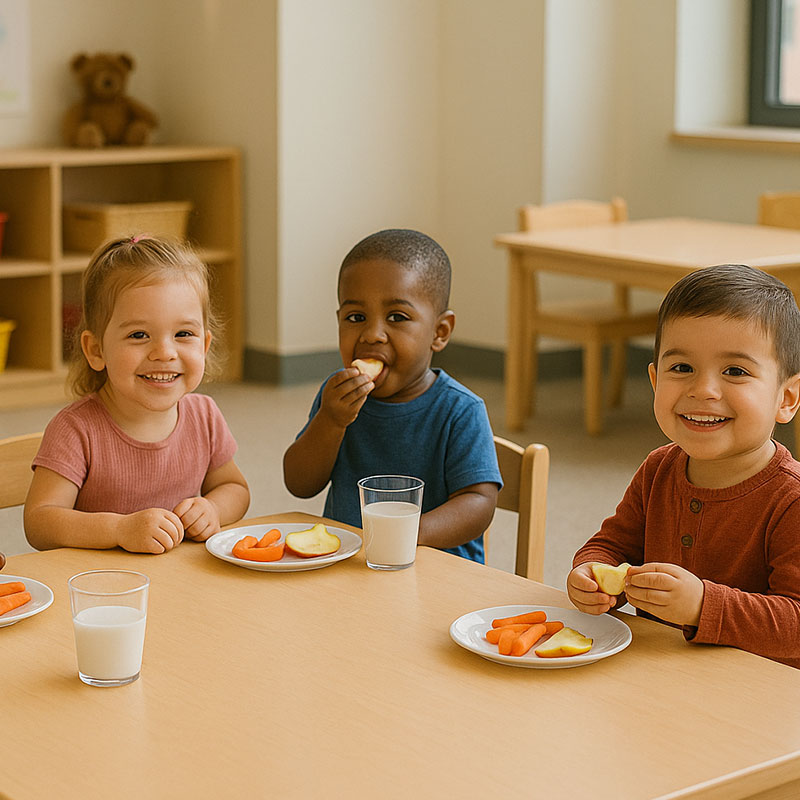
Play-based learning promotes collaboration, cooperation, and communication among children as they engage in shared play experiences. Through group activities, collaborative projects, and cooperative games, children learn valuable social skills. These include taking turns, sharing, and resolving conflicts peacefully. Teachers can facilitate opportunities for peer interactions and encourage positive social interactions, helping children develop empathy and a sense of community.
The Learning Zone is growing throughout middle Tennessee with Learning Zone of Burkitt Commons quickly becoming of the best preschools in Nolensville and Learning Zone of Lebanon quickly becoming one of the best preschools Lebanon, TN has to offer. Check out all of our preschool and daycare locations in middle Tennessee and click here to request more information.